Why Eden Homeowners Are Choosing
Stormwater Drain Relining

When a stormwater drain is cracked, blocked or leaking, the first question is usually the same: does the whole pipe need to be dug up and replaced?

In many cases, it doesn’t.

Stormwater drain relining allows us to repair the existing pipe from the inside. There is no need to excavate a long trench through the garden, cut across the driveway or pull up paving just to reach the damaged section.

It is not the right answer for every pipe. Some drains are too badly collapsed, poorly aligned or incorrectly installed to be relined. That is why we always send a camera through the drain before recommending anything.

For many homes around Eden, Pambula, Merimbula, Bega and Tathra, relining is the cleaner and more practical option.
Blocked Drains in Eden

Why stormwater drains fail differently to sewer pipes

Stormwater and sewerage drains both carry water away from your property, but they deal with very different conditions.

A sewer pipe carries a relatively controlled flow from toilets, showers, sinks and other fixtures. A stormwater drain can sit mostly empty for weeks and then suddenly be expected to handle a large amount of rainwater in a short period.

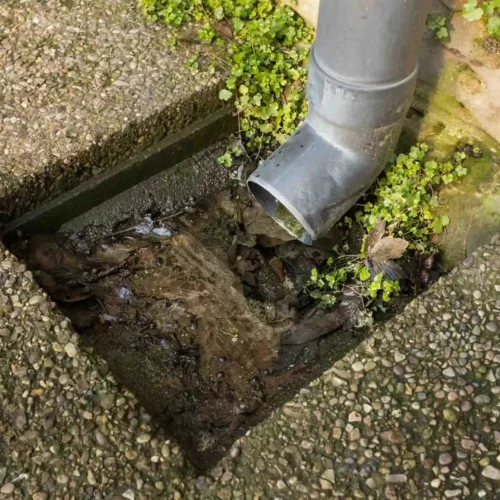
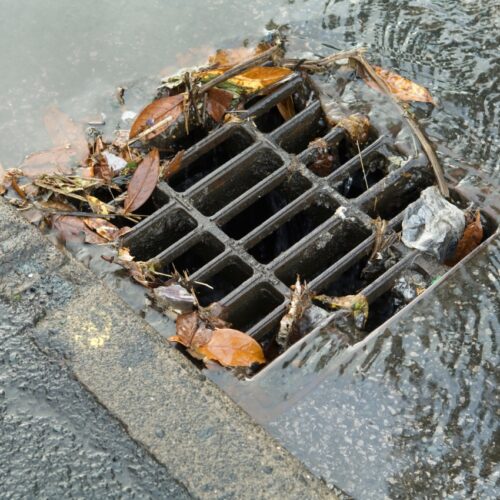
It also collects more debris. Leaves, bark, dirt, sand and small stones can enter through gutters and downpipes, pits and outdoor drains. On properties near bushland or established gardens, tree roots can make their way into small cracks or open pipe joints.

During heavy rain, any existing problem becomes more obvious. A partially blocked or damaged stormwater pipe may not have enough capacity to move the water away. You can end up with overflowing pits, water pooling beside the house, erosion through the yard or water backing up towards garages and low-lying areas.

Coastal ground movement can create another problem. As the soil becomes wet and dries out again, sections of pipe can move. Older clay and concrete pipes may crack or separate at the joints, giving roots and surrounding soil a way in.

Stormwater drain

Stormwater problems around Merimbula and the Bega Valley

Properties around the Sapphire Coast deal with a mix of heavy rainfall, coastal weather, mature trees and ground that can become saturated.

Merimbula and the surrounding catchments can be affected by intense rainfall, ocean storms, high tides and water moving through the local creek and lake systems. Flood studies have also identified overland flooding risks within parts of the Merimbula CBD and surrounding low-lying areas.

In Bega, much of the stormwater system receives runoff from roofs, roads, driveways and other hard surfaces. Unlike sewerage, this water generally travels through the drainage system without being treated before reaching local waterways.

For an individual property, that means a working stormwater system matters. When the ground is already wet, water cannot soak away as easily. A cracked or restricted pipe can add to pooling, soft ground, erosion and moisture around the foundations.

Relining will not solve a wider floodplain issue or fix a badly designed drainage system. What it can do is restore the damaged pipe so it has the best chance of carrying water away as intended.

What is stormwater drain relining?

Stormwater drain relining creates a new pipe inside the existing damaged pipe.

We first run a CCTV drain inspection to locate cracks, displaced joints, root entry and other damage. The pipe is then cleaned so the liner can be installed properly.

A resin-coated liner is inserted into the existing drain and cured in place. Once hardened, it forms a strong, sealed inner pipe without the need to remove the original one.

Eden Plumbing is Brawoliner-certified, and the system has a 50-year design life. We also complete a camera inspection after the work, so we can confirm that the liner has cured correctly and the repaired section is clear.

Why relining often makes sense on the Sapphire Coast

Pipe icon

It keeps the existing infrastructure in place

Many stormwater pipes run underneath driveways, paths, retaining walls, gardens and established trees.

Traditional replacement means digging down to the pipe, removing it and installing a new section. The plumbing work may only be one part of the bill. You may also need to repair concrete, replace paving, rebuild gardens or reinstate landscaping afterwards.

Relining reaches the damaged pipe from an existing access point wherever possible. Your driveway stays where it is, and your yard does not need to look like someone has started looking for buried treasure.

Fast time icon

It is usually faster

A straightforward residential relining job can often be completed much faster than a full excavation.

Replacement takes longer because the pipe must be exposed, removed, replaced, backfilled and tested. Any concrete, paving or landscaping then needs to be put back.

The exact time depends on the length, diameter, access and condition of the drain, but reducing excavation generally reduces the time and disruption involved.

Low prices icon

It can reduce the total and long-term costs

Relining is not automatically cheaper in every situation. The proper comparison needs to include the entire job.

With replacement, the cost may include excavation equipment, additional labour, removal of soil and old pipework, backfilling, concrete cutting and repairs to the surrounding area.

If the drain runs underneath a finished driveway or landscaped yard, those reinstatement costs can become substantial.

Relining avoids many of those extras by repairing the pipe that is already there.

Tick icon

There is less mess

Full replacement can be messy, particularly after rain when the soil is saturated. Excavation may leave machinery marks, spoil piles and a trench through an area that was previously finished.

Relining uses a much smaller work area. That makes it particularly useful on occupied homes, holiday properties, businesses and sites where access is limited.

Recycle icon

It creates less waste

Relining preserves the existing pipe instead of removing and disposing of it. It also reduces the amount of soil disturbed and the need for replacement concrete, paving or landscaping materials.

For properties near waterways, gardens and established trees, keeping excavation to a minimum can reduce the impact on the surrounding area.

When full stormwater replacement is the right call

Relining is a repair method, not a magic trick. The existing drain needs to be in a suitable condition.

Full or partial replacement may be required when:

    • The pipe has completely collapsed.
    • A section has been crushed or is missing.
    • The joints are severely displaced.
    • The pipe has a major backfall and water cannot flow in the correct direction.
    • The drain is too small for the amount of stormwater it needs to carry.
    • The existing layout is poorly designed.
    • There is no suitable access for cleaning and installing the liner.
    • The surrounding ground has moved enough to alter the pipe’s position.

A liner follows the general path and fall of the existing pipe. It can seal cracks, joints and root entry points, but it cannot correct every structural or design problem.

Sometimes the most sensible answer is a combination of both methods. We may excavate and replace one badly collapsed section, then reline the remaining pipe to avoid digging up the rest of the property.

When replacement probably is not necessary

A full replacement may be excessive when the pipe still holds its shape and the damage is limited to cracks, leaking joints or root intrusion.

These are the types of problems that are often suitable for relining:

    • Cracks along the pipe wall
    • Small gaps at pipe joints
    • Tree roots entering through joints
    • Leaks into the surrounding soil
    • Ageing clay or concrete pipework
    • Damage underneath a driveway or landscaped area
    • Repeated blockages caused by the same damaged section

The condition cannot be judged properly from the surface. Two properties with similar symptoms may have very different problems underground. That is why the camera inspection comes first.

How Eden Plumbing assesses your stormwater drain

We do not recommend relining based on guesswork.

The process starts with a CCTV inspection so we can see:

    • Where the damage is
    • What type of pipe you have
    • Whether the pipe is cracked, collapsed or displaced
    • Where roots or soil are entering
    • Whether the pipe has enough fall
    • Whether relining will provide a reliable repair

We send the camera down again after the work is finished to check the completed liner and make sure the drain is clear.

Eden Plumbing has worked across the Sapphire Coast for more than 25 years. We are fully licensed and insured, Brawoliner-certified and based locally in Eden. We service Eden, Pambula, Merimbula, Bega, Tathra and surrounding towns and rural properties.

A common local stormwater scenario

A typical job may start with a homeowner noticing that a stormwater pit overflows during moderate rain. Water begins pooling beside the driveway, even though the drain has recently been cleared.

A CCTV inspection finds roots entering through several joints in an older stormwater pipe running beneath the driveway. The pipe has cracks but has not collapsed, and the fall is still suitable.

Digging it up would mean cutting through the driveway and replacing the concrete afterwards. In that situation, relining the damaged run may seal the joints and cracks without disturbing the surface above it.

On the other hand, if the camera finds that part of the pipe has dropped and now holds water permanently, that section may need to be excavated and corrected before the remaining pipe can be relined.

The camera footage tells us which approach makes sense.

Should you reline or replace your stormwater drain?

If the drain is cracked, leaking or affected by roots but still structurally intact, relining will often be the less disruptive option.

If it has collapsed, moved badly or was installed with the wrong fall, replacement may be necessary.

The only reliable way to make that call is to inspect the pipe properly. A CCTV drain inspection shows us what is happening underground, so you are not paying to excavate a large area unless it is genuinely needed.

If your stormwater drain is overflowing, repeatedly blocking or leaving water around your home, Eden Plumbing can inspect it and explain the options clearly. We will show you the camera footage, tell you whether relining is suitable and recommend excavation when it is genuinely the better fix.

Customer Testimonials

Our team is made up of highly qualified and professional technicians

Just see for yourself with our 5-Star Google ratings from locals near Eden.

affordable plumbing pricing in eden and surrounding suburbs

Affordable Fixed Price Plumbing

Five star plumbing service in eden and surrounding suburbs

Five Star
Service

expert plumbing advice in eden and surrounding suburbs

Expert Advice and Clever Solutions